
Thermal and acoustic comfort: the secret of high-end houses
Thermal and acoustic comfort in high-end homes: how solar orientation, window frames and insulation cut energy use. Talk to EZA Engenharia.
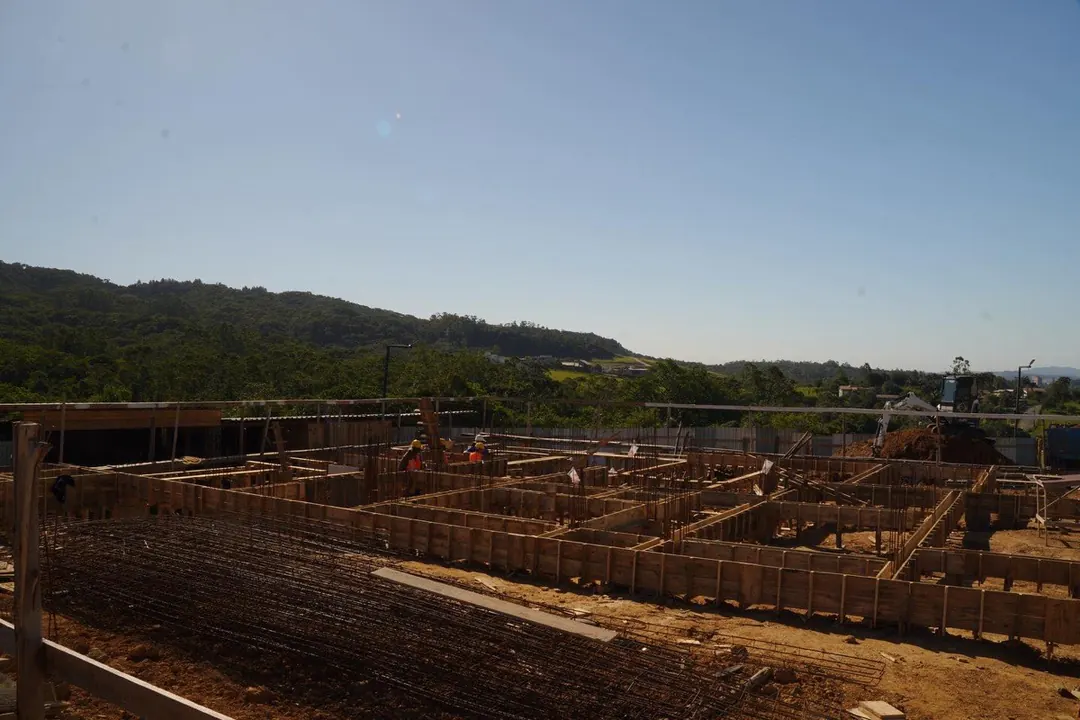
Thermal and acoustic comfort is the kind of thing that gets set aside when planning a house, and it is precisely this item that decides whether it will be pleasant to live there all year round. Here in Criciúma and the region, summer arrives with that heavy, humid heat, and winter every now and then surprises with a cold that cuts deep. A poorly thought-out house is expensive to keep climate-controlled and still fails to deliver silence or a stable temperature. For more than 35 years we have designed and built high-end houses in this region, and we have learned in practice that real comfort is decided before raising the first wall, back in the design and the choice of materials.
Why thermal and acoustic comfort starts in the design, not in construction
Many people think insulation is a problem to solve later, with a more powerful air conditioner or an acoustic blanket installed in a hurry. In practice, it does not work that way. The comfort of a high-end house is born from decisions made while still on paper: the shape of the built volume, the balance between solid wall and glass, the position of the rooms where the family spends the most time in relation to the sun and the wind that prevails in the region.
When the architectural design and the engineering design move together from the start, every choice that follows, structure, window frames, roofing, is born aligned with that goal. It is this integration between architecture and in-house engineering that keeps us ahead of problems, solving on paper what in a poorly planned project only shows up months later, with the family already living in the house.
Solar orientation: the free decision that changes everything
The position of the house in relation to the sun is perhaps the variable that weighs most on thermal comfort, and at the same time one of the cheapest to get right, as long as it is considered right at the start of the project. In Criciúma and the region, a well-oriented house takes advantage of the morning sun in the kitchen and living areas, and protects the bedroom and rest area from the harsh afternoon sun.
Some features we use to put the orientation in favor of those who live in the home:
Eaves and brise-soleil that block direct sun in summer without removing natural light in winter.
Laundry area and garage positioned as a thermal barrier on the most exposed facades.
Cross ventilation, with openings positioned to catch the prevailing breeze and renew the air without relying on artificial climate control all the time.
This care avoids, for example, a bedroom that gets too hot in the afternoon or a cold, dark living room in the morning, a common problem in designs that don't take solar orientation seriously.
Frames and windows: where thermal and acoustic comfort is most lost (or gained)
Frames, glass windows and doors are usually the weakest point of a house when it comes to insulation. That is where most of the heat comes in during summer, most of the heat escapes in winter, and much of the outside noise gets through, especially on a lot near a busy road.
In a high-end residence, investing in quality window and door frames pays off quickly in comfort felt day to day. The factors that weigh most on performance are:
Glass type (laminated, double or with solar control), which reduces heat exchange and external noise.
Quality of the seal between the frame and the masonry, the point where most ordinary houses fail and lose efficiency.
Frame material (aluminum with a thermal break, PVC, or treated wood), each with different thermal and acoustic performance.
Correct sizing: a frame that is too large without solar protection becomes a heat display window.
The ideal choice changes according to the façade, the surroundings and the desired finishing standard. That is why each specification is evaluated case by case, upon consultation, within our engineering project.
Materials and insulation: the layer no one sees, but everyone feels
Thermal and acoustic insulation that works depends on a set of materials working together: roof, ceiling, wall and even the slab. In a climate like that of Criciúma and its region, with this wide temperature range between the seasons, setting this layer aside means relying more and more on air conditioning and heaters to compensate.
Among the solutions that make a real difference in the final result are:
Thermal insulation under the roof tiles and in the ceiling, which prevents heat build-up in the attic and reduces heat gain in the interior spaces.
Walls with greater thermal mass or insulating systems, which help keep the internal temperature stable even with variation outside.
Acoustic barriers between floors and in walls that separate living areas from resting areas, important especially in a residence with more than one floor or close to a neighbor.
Well-executed seals at every contact point between different materials, where air and noise infiltration usually appear.
Our in-house engineering allows us to specify and closely monitor the execution of these layers, something that makes a difference especially in premium-finish projects, where there is no room for rework.
The impact on well-being and energy savings over the years
The return of a design conceived for thermal and acoustic comfort does not appear only in daily life, it appears in the energy bill and in the property's appreciation as well. A house that naturally keeps a stable temperature reduces the dependence on air conditioning and heating, and that turns into savings every month, for decades.
On the well-being side the gain is even more direct: a space with no noise from outside, no cold draft in winter and no built-up heat in summer truly becomes a place to rest. This technical care is present from the start of the design to the handover of the keys in the projects in our portfolio, such as Residence V.S in Criciúma and Residence A.F in Balneário Rincão.
Every detail of a high-end home, from the placement of the window and door frames to the thickness of the insulation in the walls, exists to change the daily life of those who live in it. Thermal and acoustic comfort is not a luxury, it is the result of technical decisions made in the design phase, made by those who know the climate of Criciúma and the region throughout the year, month by month. If you are planning to build or expand your home in Criciúma, Içara, Forquilhinha, Nova Veneza, Cocal do Sul or Balneário Rincão and want a place designed for true well-being, talk to us at EZA Engenharia. More than 35 years of in-house engineering and premium finishing at the service of your project. Reach out on WhatsApp (48) 99191-2018, send an email to [email protected] or visit eza.com.br to explore the portfolio and schedule a conversation.
Frequently asked questions
Does thermal and acoustic insulation make the project much more expensive?
The investment varies according to the material and the system chosen, but when it goes into the project from the start, the cost is spread across the entire build and comes out far cheaper than fixing it later. The return comes in a lower energy bill and in quality of life for decades. We assess each case on request, looking at the lot, solar orientation and the desired finishing standard.
Can thermal and acoustic comfort be improved in a finished house without building from scratch?
Yes, it can be done. Replacing frames, reviewing door and window sealing, adding insulation to the ceiling and walls, adjusting cross ventilation: all of this fits into a finished house. The result pays off more when these changes are thought through together, within a well-structured project, rather than one at a time.
What is the difference between thermal comfort and artificial climate control (air conditioning)?
Air conditioning solves the symptom instantly, but it depends on energy all the time and doesn't eliminate the poorly controlled heat exchange through the home's walls and frames. Thermal comfort by design reduces that dependence, because the house is born balanced. In practice that means less energy spent and less equipment wear over the years.
Want to build your high-end house in Criciúma?
EZA Engenharia takes care of your project from start to handover, since 1991.
Chat on WhatsApp Request a quote