
How long a commercial project takes in Criciúma
How long does a commercial project take? See real timelines by type and size, what speeds things up and what causes delays, with EZA's experience in Criciúma.
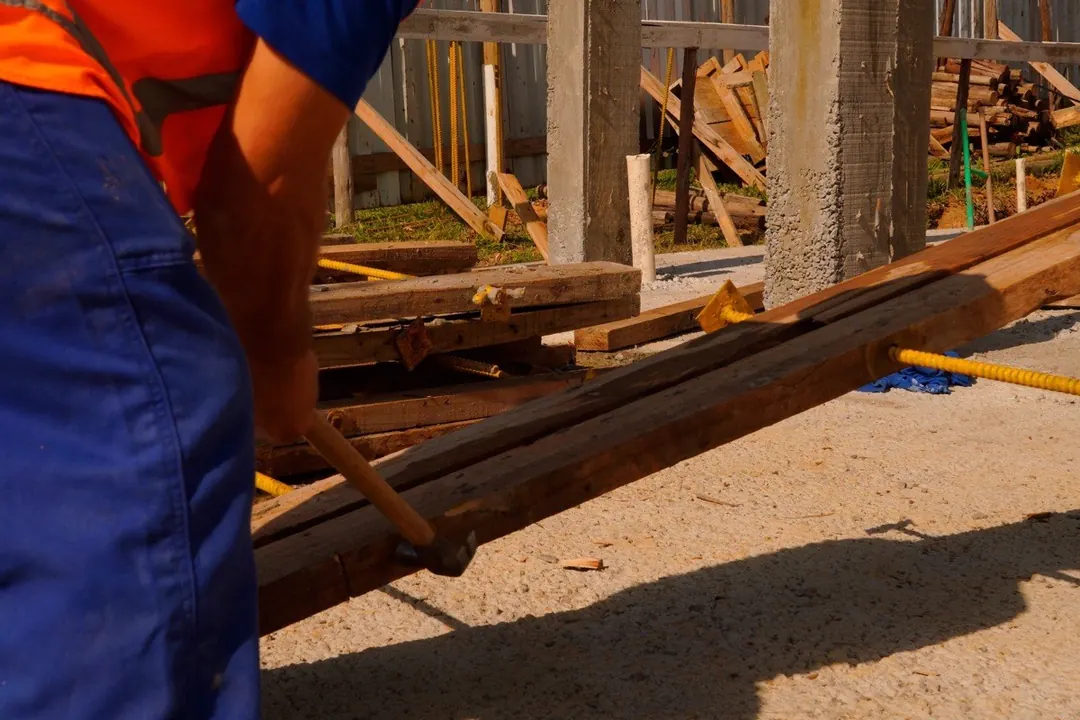
How long a commercial project takes is the first question of anyone about to sign a lease, buy a property or expand the company's headquarters. The right answer is always "it depends", but it depends on very specific things: type of project, size, condition of the space and how long the client takes to decide. After more than three decades running commercial projects in Criciúma and the region, EZA has learned that a good timeline is not luck, it's planning that begins before the first brick.
The timeline changes according to the type of commercial project
You cannot compare fitting out an office room with building a hotel from scratch. A small store, like the one we did for Decor Export, has a leaner scope: flooring, lighting, storefront, partitions and finishing. A clinic, on the other hand, as in the case of Clínica Miocuore, requires specific installations, provision for medical equipment and sometimes even a layout review to meet accessibility standards and patient flow.
Offices like the one for Werner Backes Advogados tend to have a more predictable timeline, because the program of requirements is clear: offices, reception, meeting room, kitchenette. Larger developments, such as the Hotel Centenário or the commercial project we built for SATC, involve more simultaneous work fronts, and the timeline grows in proportion to the complexity of the structure, the building systems and the number of rooms.
- Simple store or commercial space: usually 2 to 4 months
- Office or medical practice with specific installations: 3 to 6 months
- Restaurant or gym (industrial kitchen, exhaust, structure for equipment): 4 to 7 months
- Hotel, warehouse or commercial building: 8 months to more than 1 year, depending on the size
What really speeds up a commercial project
The factor that weighs most on the timeline isn't the bricklayer's speed, it's the speed of decision-making. A project stalled waiting for the client to choose tiling, approve the floor plan or select a storefront supplier is the number one cause of delay we've seen for 35 years. When the detailed design is finalized before execution begins, with all the finishing, electrical and plumbing details already defined, the project moves without interruption.
Another point that truly speeds things up is having a single company handling the design and the execution. When those who design and those who build are different teams, every question becomes a meeting, every adjustment becomes an email going back and forth. At EZA the engineering is in-house, from the initial drawing to the handover of the keys, and this cuts out much of the dead time that normally exists between stages.
What tends to cause delays (and how to avoid it)
Permits and approvals from public agencies are factors beyond the construction company's direct control, but the impact can be reduced by starting the documentation process as soon as the design is defined, not later. Another classic culprit is a change of scope in the middle of the project: changing a room's layout, enlarging an area, choosing a different type of flooring after the foundation has already been laid. Each of these changes pushes back the entire schedule.
Supplier shortages also cause more delay than it seems. Made-to-measure storefronts, custom furniture, industrial kitchen equipment: these are items with their own manufacturing lead times that need to be ordered in advance, not in the week of the opening. When the construction schedule and the purchasing schedule move together from the start, this kind of delay practically disappears.
The impact of the timeline on the business opening
For anyone opening a store, a clinic, or a restaurant, each week of delay is rent paid without revenue, and sometimes it is even a missed launch date. That is why the construction schedule needs to talk to the business schedule from the very first meeting: if the opening is set, the project has to be designed backward, with a buffer for the unexpected, not on the edge.
That's also why it's worth discussing the timeline before signing a rental contract or closing the purchase of the property. A preliminary technical visit, even an informal one, already gives a realistic sense of how long the project will take and avoids the situation of paying rent on an idle space while waiting for the project to start.
How EZA plans the schedule of a commercial project
Before giving any deadline, EZA visits the site, understands the intended use of the space and identifies what is needed in terms of structural, electrical and plumbing design. Only after that does the schedule get put on paper, with real stages and dates, not a generic estimate. This applies both to a specific adaptation and to a brand-new project from scratch.
This method was the same one used in projects such as SATC's and the Hotel Centenário's, where the scale required coordinating several fronts at the same time without losing control of the final deadline. It also works on smaller projects, such as offices and consulting rooms, where the client wants a clear opening date to organize team hiring and promotion.
The question "how long does a commercial project take" has no off-the-shelf answer, and anyone who promises a fixed number without visiting the site and looking at the design is guessing. What exists is a realistic range by type of project, and within it, plenty of room to speed up or slow down depending on decisions, contract and planning. At EZA we learned this project after project, since 1991. We worked through the details with clients like Decor Export, Clínica Miocuore, the Werner Backes Advogados law firm, Hotel Centenário and SATC's commercial project, and in each one the schedule came about in a different way, but always from the same opening conversation: when do you need to open and what are you willing to decide quickly. If you are planning to build or expand a commercial space in Criciúma, Içara, Forquilhinha, Nova Veneza, Cocal do Sul or Balneário Rincão, talk to EZA on WhatsApp (48) 99191-2018 or by email at [email protected]. We sit down, look at your case and give you back a real schedule, no runaround.
Frequently asked questions
How long does a small commercial project take, like a street-front store?
A small store or commercial space, without major structural changes, usually takes between 60 and 120 days after the project is approved. What changes this number is the flooring, the façade and the electrical installation: if it involves central air-conditioning, a technical ceiling and a made-to-measure storefront, add weeks.
Can you speed up the project without losing quality?
It can be done, but speeding up costs planning, not haste. Defining the complete detailed design before starting, closing deals with suppliers in advance and having a single company handling design and execution avoids the stoppages that usually drag out the project. Pressuring the team without settling decisions and materials only increases the risk of rework.
Does EZA take on commercial projects outside Criciúma?
Yes. Beyond Criciúma, EZA builds and carries out expansions in Içara, Forquilhinha, Nova Veneza, Cocal do Sul, Balneário Rincão and municipalities in the region. The first step is a visit to understand the terrain or the existing space and put together a realistic schedule.
Want to build your high-end house in Criciúma?
EZA Engenharia takes care of your project from start to handover, since 1991.
Chat on WhatsApp Request a quote