
In-house engineering: what that means in practice for your project
A construction company with in-house engineering has design and execution aligned, a single point of responsibility and quick decisions on site. See what changes in your project.
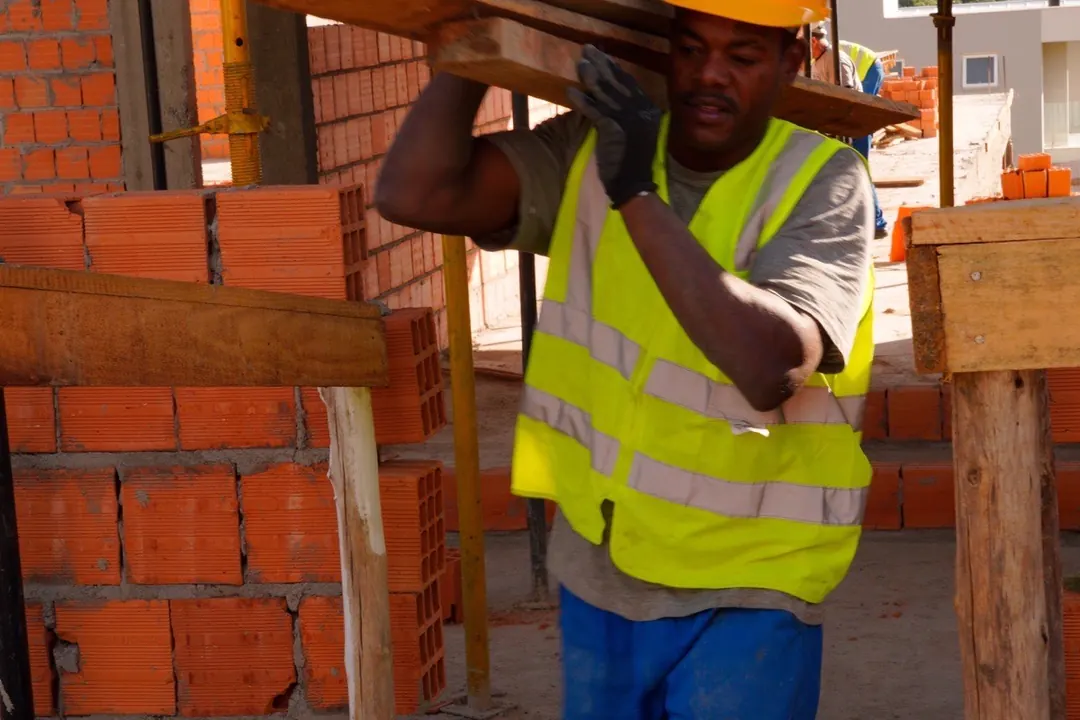
In-house engineering means that the planning, the budget and the command of the job site are in the hands of the same team, with a single technical lead from the beginning to the end of the project. It sounds like a behind-the-scenes detail, but it is one of the differences that weigh most on the result, the timeline and your wallet. We have been building in Criciúma since 1991 and have seen many great projects born from this integration, and many headaches born from the lack of it. In this text I explain what changes when design and execution go hand in hand, and why this should be on your list when it comes to choose a construction company in Criciúma.
What in-house engineering means, in practice
It means having an engineer on the company's staff, and not just on the letterhead. Whoever prepares the budget, whoever builds the schedule, and whoever is accountable for the execution are people from the same house, who talk to each other every day. The name of the technical manager is the same from the first day to the last.
The opposite of this is a project run by disconnected pieces: one firm draws it up, a contractor executes it, a freelance foreman manages the labor and each supplier delivers its part without talking to the rest. In this arrangement, no one sees the whole project. And construction problems almost never respect the boundary between one contract and another.
At EZA, it has worked this way since 1991. The project begins long before the keys, and it begins inside the home.
- An in-house company engineer, present on the job site
- Budget, schedule and execution under the same technical responsibility
- One name accountable for the project from start to finish
Design and execution at the same table
Every house involves several design disciplines: architectural, structural, plumbing, electrical, climate control. When each one is done in its own corner and nobody cross-checks the information, the conflict shows up in the wall. A beam running where the piping was meant to go, a ceiling that doesn't close up, an electrical point in the wrong place. Then the rework eats up time and money.
With engineering in-house, these designs go through coordination before they become a construction site. At EZA we also use VR visualization with the client, who understands every detail, anticipates decisions and moves forward with more confidence. A conflict resolved on screen costs almost nothing. Resolved in the masonry, it costs demolition.
This does not mean dispensing with the architect, quite the opposite. We work side by side with partner architecture firms, as with Casa Bloco, an award-winning project by ES Arquitetura that EZA built in the Condomínio Jardins, in Criciúma. The role of in-house engineering is to ensure the design becomes a project exactly as it was conceived.
A single point of contact whenever something deviates from plan
The unexpected on a project is practically the rule. The question that matters is a different one: when it appears, who resolves it? On a fragmented project, the designer blames the execution, the execution blames the design and the client becomes the mediator of a technical dispute they have no obligation to understand.
With single responsibility, this discussion never even reaches you. The engineer who oversees the job site is from the same company that signed the schedule and the budget, so there is no one to pass the problem to. Rework caused by a communication failure does not become a surprise add-on in your contract, it becomes an internal matter that the construction company resolves.
A quick decision saves money on the job site
A project sitting idle waiting for an answer is one of the most invisible costs there is. The soil revealed a surprise at the foundation, a material was delayed, it rained during the week of the concrete pour. Each of these situations calls for a technical decision, and every day of waiting means crew and equipment standing still.
When the decision-maker is inside the company, the answer comes the same day, often during the visit to the site itself. At EZA, concrete pouring has an engineer overseeing it. We run the watertightness test without rushing: we close everything off, wait and monitor, because that is what guarantees the waterproofing is really working. These are checks that only happen at the right pace when the engineering is in-house and takes part in the project management from day one.
How this shows up in EZA's day-to-day
In-house engineering also means investing in the team. In 2026 we trained the team on a new shoring system with bucket scaffolding, which brought more precision, organization and safety to the site. In 2025, our engineering team took 1st place at the InovAscea Hackathon, hosted by ASCEA. It is not a trophy on the wall: it is the same people who are on your project on Monday morning.
This method applies from residential to institutional. At SATC's new university block, in Criciúma, there are about 4,500 m² of precast structure, with alignment meetings held inside the site to define the schedule and work fronts. In a house, the logic is the same: whoever plans is present where the project happens. If you'd like to see how this plays out over time, it's worth reading about the stages of building a high-end house.
And the follow-up does not end when the keys are handed over. EZA Care, our post-construction sector, offers preventive maintenance for those who want to keep the house monitored, and the client also receives Easy Alert, a digital platform for managing maintenance. The engineering that built it stays close by.
In the end, in-house engineering is not a sales pitch, it is a way of working. Design and execution aligned, a person in charge whom you know by name and quick decisions when the unexpected shows up. This is how EZA has been building in Criciúma and the region for more than 35 years, and you can check the result in the projects we have already delivered. If you're planning to build, reach out to us on WhatsApp (48) 99191-2018, send an email to [email protected] or visit the site eza.com.br. We'd be glad to talk about your project.
Frequently asked questions
Does a construction company with in-house engineering make the architect unnecessary?
No. The architectural design remains the architect's, who is the one who translates the family's way of living into spaces. In-house engineering comes in to coordinate the designs, plan and execute faithfully to what was drawn. EZA works in partnership with several architecture firms in the region.
Is a project with in-house engineering more expensive?
The cost of engineering exists in any serious project; the difference is where it appears. In a fragmented project, it usually comes disguised as rework, add-ons, and delays. With integrated design and execution, much of these costs is avoided before it happens, which in practice protects the budget.
How to tell whether a construction company truly has in-house engineering?
Ask who the technical manager of the project is and whether they are on the company's staff. Ask to meet the engineer who will oversee the job site and ask how often they visit the project. If the answer is vague, or if the name changes with each conversation, it is a sign that the technical side is outsourced.
Want to build your high-end house in Criciúma?
EZA Engenharia takes care of your project from start to handover, since 1991.
Chat on WhatsApp Request a quote