
Project schedule: how it is made and how to follow it without surprises
Understand how a construction schedule is built, with stages, dependencies and slack, and learn how to track and hold deadlines without surprises. A guide from EZA Engenharia.
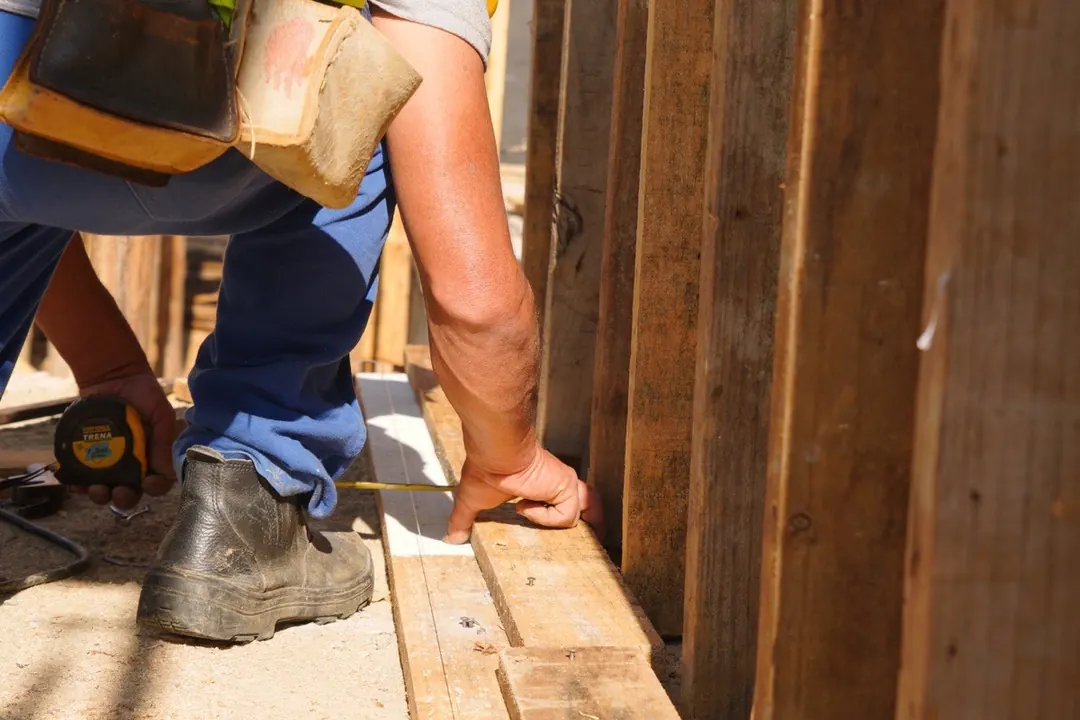
A project schedule is the construction's map of time: it shows the stages, the order in which they happen, how long each one lasts and what depends on what. Well built, it tells you when the house will be ready and how much you spend in each phase. Poorly built, it becomes a promise no one can hold you to. In this text we explain how a schedule is truly made, how you should follow it during the project and what signs show that the deadline has gone off track. If your question is the total timeline, it is also worth reading how long it takes to build a house.
What a construction schedule is, in practice
It's a table, plain and simple. Each row is a project stage (foundation, structure, masonry, roofing, utilities, plaster, finishing), with a start date, an end date and what needs to be ready beforehand. The stages of building a high-end house follow a technical logic, and the schedule puts that logic onto the calendar.
The most complete version is the physical-financial schedule, which cross-references physical progress with disbursement. It shows, month by month, how much of the project should be completed and how much that costs. It is the document that protects the client: if the payment moves forward and the project does not, the table flags it.
We repeat one idea a lot here at EZA: an organized project does not depend on luck, it depends on planning. The schedule is the part of that planning that the client can read, check and hold us to.
How the schedule is put together
It all starts with the design. With the designs coordinated, you can take off quantities: cubic meters of concrete, square meters of masonry, installation points. Cross-referencing these numbers with the crews' actual productivity, we arrive at the duration of each stage. Whoever has never measured their own productivity is guessing, and guessing on a schedule costs dearly.
Then come the dependencies, which are the soul of the schedule. Plastering does not start before the embedded systems have run through the wall. The floor does not go down before the waterproofing has been tested. Here at EZA, for example, the watertightness test enters the schedule with its real duration: seal everything, wait, monitor. It takes time, but it ensures the waterproofing is truly working before the finish covers everything.
There are also the supply lead times. Made-to-measure frames, natural stone, special fixtures and metals can take months between order and delivery. A good schedule is born with these purchases positioned well ahead, so the material arrives before the stage needs it.
Float and critical path: where the schedule is decided
Not every stage weighs the same on the schedule. There is a sequence of linked activities in which any delay pushes back the entire delivery. It is what engineering calls the critical path. Structure is usually on it. Painting an outer wall, almost never.
That is why a serious schedule has slack, and slack positioned with judgment. Rain delays concrete pouring, a supplier fails, the unexpected shows up. Slack exists to absorb that without changing the delivery date. A schedule with no slack at all is not optimistic, it is unrealistic.
And slack is no excuse for slowness. As we like to say on our projects: in the end, it is not about doing it faster, it is about doing it well. The right timeframe is the one that allows the work to be done right the first time, without rework.
How to track and hold your project schedule accountable
Ask for the schedule before signing the contract and ask for the updates while the work is under way. A living document, with planned and actual side by side, says far more than any conversation. A visit to the site with the engineer, comparing what has been built with what the table promised for that date, resolves most of the doubts.
At EZA, alignment meetings on site are part of the routine. On the project for SATC's new university block, in Criciúma, with more than 4,500 m² of precast structure, tight deadlines and a high level of demand, the team meets right on the project site to set schedules and assess the work fronts. It is this constant alignment that keeps large projects on schedule, and it applies just the same to a residence.
The client also has homework: a delayed finishing decision holds up the schedule. That is why we use design coordination and VR visualization, so the client can understand every detail and make decisions ahead of time before the project demands them. For anyone who wants to dig deeper, we have also written about high-end project management. And in the review with the construction company, four things are always worth asking for:
- Updated schedule with planned vs. actual
- Photos or a visit to the work fronts in progress
- Long-lead purchases already arranged (frames, stones, fixtures)
- Upcoming decisions that depend on you, with a deadline
Warning signs that the schedule has gone off track
The occasional delay happens on any project. The problem is not falling a week behind because of rain, it is how the construction company deals with it. Those in control show the impact on the schedule and the plan to recover. Those who are not, disappear.
Some behaviors deserve extra attention. None of them, on its own, dooms a project, but two or three together call for a frank conversation with the construction company, in writing, before the delay turns into a dispute:
- A schedule that is never updated, or that only exists in conversation
- A stage stuck at "90% done" week after week
- An empty site on a working day, with no explanation
- Request for advance payment without corresponding physical progress
- Each visit shows a different team on site
A good construction schedule is not the tightest one, it is the one that gets met. It comes from the design, respects the dependencies between stages, carries honest slack and is updated as the project advances. For more than 35 years, EZA Engenharia has been building in Criciúma and the surrounding region with this logic, from planning to the handover of the keys, with an alignment meeting on site as a routine. If you want to talk about the timeline of your project, reach out to us on WhatsApp (48) 99191-2018, write to [email protected] or get to know the projects at eza.com.br.
Frequently asked questions
What is the difference between a physical schedule and a physical-financial schedule?
The physical schedule shows only the stages and the dates. The physical-financial schedule cross-references that progress with the disbursement, indicating how much of the work should be complete at each payment. For the client, the second is more useful, because it makes it possible to check whether the money and the work are moving forward together.
What to do when the project schedule falls behind?
Ask for the updated version with the reason for the delay and the recovery plan, all in writing. A delay with a clear cause and a planned response is normal project management. A repeated, unexplained delay is a sign of things being out of control, and then it's worth reviewing the contract and measurements before releasing new payments.
How often should I follow up on my project's schedule?
A monthly check of planned versus actual works well on most residential projects, along with visits to the site. During phases of intense decision-making, such as the finishing, it is worth shortening this cycle. What does not work is looking at the schedule when signing the contract and only remembering it on the delivery date.
Want to build your high-end house in Criciúma?
EZA Engenharia takes care of your project from start to handover, since 1991.
Chat on WhatsApp Request a quote