
Heated flooring and other comfort choices for the southern winter
Heated flooring, a hot-and-cold split unit or a fireplace? See what each system requires during construction and how to plan thermal comfort for the winter in Criciúma and the surrounding region.
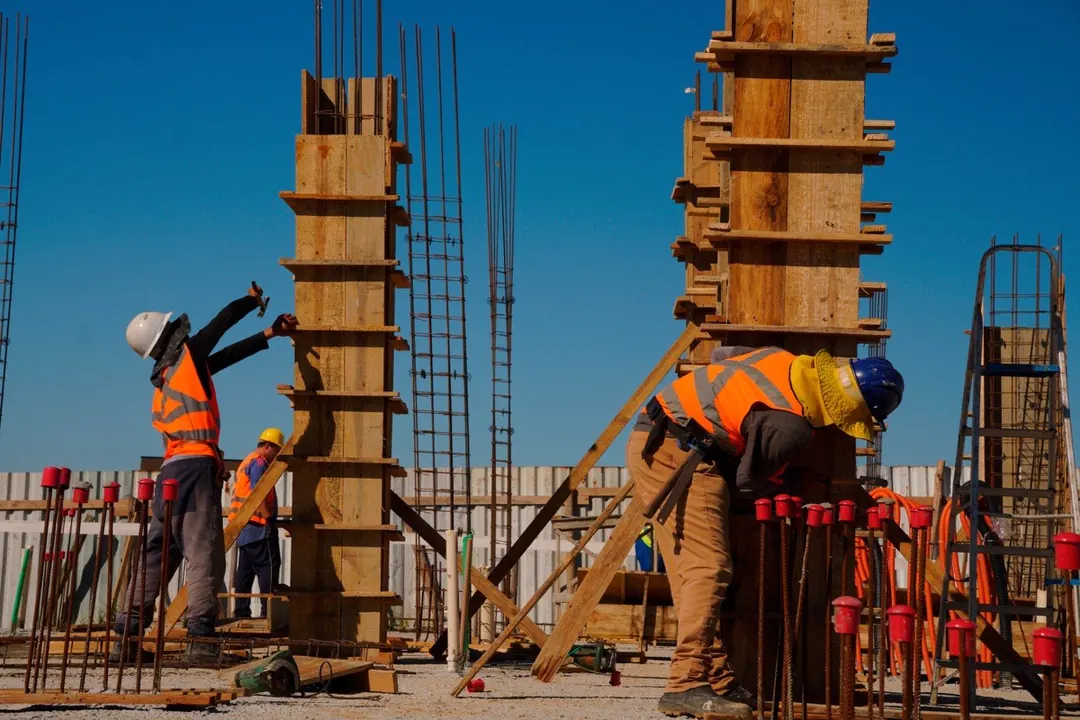
Heated flooring is no longer a rare luxury and has become a common request in high-end house projects in the south. It makes sense: winter in Criciúma and the surrounding region is cold and humid, and portable heaters do a poor job and drive up the electricity bill. There are different paths, from radiant flooring to hot-and-cold split units and the fireplace, each with its own cost and construction requirements. The detail many people discover too late is that almost all of them must be decided before pouring the concrete, together with the thermal comfort of the house as a whole.
Why the southern winter calls for a design decision
The Brazilian house is generally designed for heat. Then June arrives, the cold air comes down from the highlands and the house turns into a refrigerator, with that dampness that seems to seep into your bones. Anyone who lives in the region knows the feeling well.
In more than 35 years of building, we have seen this conversation change. In the past the subject was only air conditioning for the summer. Today the client wants the house comfortable all year round, and that affects structure, electrical, plumbing and gas right in the first construction stages. Winter comfort is solved in the design, not after moving in.
Heated floors: how they work and what changes on the project
There are two main approaches. Electric radiant floor heating uses resistance cables or mats installed under the flooring. The hydronic system circulates heated water through pipes embedded in the subfloor, fed by a gas heater or a heat pump. In both cases the heat rises from the floor uniformly, without noise, without drafts and without drying out the air.
It's the most comfortable system for winter, and also the one that most depends on planning. Since everything sits inside the subfloor, the decision has to come before that layer is concreted. It factors in the thermal insulation beneath the system, so the heat doesn't escape into the slab, and the flooring: porcelain and ceramic tiles conduct heat well, while wood calls for a compatible product.
Bathrooms and en-suites are the most requested. Stepping onto a warm floor after your shower on a freezing July day changes your relationship with the house.
Hot and cold split system: the most practical route
The reverse-cycle split, the well-known hot and cold, is today the most widely used solution. The same unit that cools in summer heats in winter, and inverter models do this with good consumption. For a region with muggy summers and cold winters, solving both seasons with a single system makes a lot of sense.
What few people remember is that a well-installed split system also originates in the design. Concealed piping, a drain point with the right slope, electrical load sized in the panel and a discreet, ventilated spot for the condensing units. When none of this is planned for, the result is exposed trunking on the new wall, a drain dripping down the façade and a breaker tripping.
In a high-end home, the devices can also talk to the home automation, turning on the heating before the family arrives.
Fireplace: real warmth, with its own requirements
The fireplace is the most sentimental request. It is not just heating, it is the family's gathering point on cold nights. But each type has its own construction. The wood-burning fireplace needs a chimney with a well-calculated draft, an air intake for combustion and correct clearance from flammable materials, which affects structure, roof and facade.
The gas fireplace requires proper piping and ventilation, but it does away with firewood and soot and lights up at the touch of a button. The ecological fireplace, running on alcohol, is more decoration than heating: it warms little and works for small spaces. None of the three goes well with improvisation after the house is finished, especially the wood-burning one.
What needs to be decided before pouring concrete
Here at EZA, these decisions go through project coordination: electrical, plumbing, gas and structure are checked together before execution, and the client views the spaces in VR to anticipate choices with more confidence. It is this alignment on paper that makes winter comfortable inside the home.
The rule that prevents headaches is just one: the heating system is chosen together with the design, not together with the move-in. Changing it later almost always means breaking new flooring or walls, and that bill is never small. Before concreting, the design needs to answer at least this:
- Which system goes in each room: radiant floor, split unit, fireplace or a combination
- Total electrical load and space in the distribution panel
- Gas piping, when there is a gas heater or fireplace
- Drain points and piping runs for the split units
- Insulation under the radiant floor and a compatible finish
- Frames with good sealing, so the generated heat doesn't escape
In the end, comfort in winter doesn't come from a single appliance, it comes from a set of decisions made at the right time. Heated floor in the bathroom, split units in the bedrooms, a fireplace in the living room, each family finds its own combination, as long as it's part of the project before the concrete. For more than 35 years EZA Engenharia has been building personalized and made-to-measure houses in Criciúma and the surrounding region, with in-house engineering from design to finishing. If you want a house that's warm in winter and cool in summer, reach out to us on WhatsApp (48) 99191-2018, write to [email protected] or explore the projects at eza.com.br.
Frequently asked questions
Does underfloor heating work with any flooring?
Porcelain and ceramic tiles are the ones that best conduct heat and the most used. Wood and vinyl can work, but they require products recommended by the manufacturer for use over radiant flooring. A very thick rug on top reduces the system's performance.
Can heated flooring be installed in a finished house?
It can be done, but the cost and the disruption grow considerably. Because the system sits beneath the flooring, you have to remove the existing floor and, in some cases, raise the level of the subfloor. That is why the recommendation is to plan everything while the project is still underway.
Does a hot-and-cold split unit heat well in the Santa Catarina winter?
It does heat, especially the more current inverter models, which keep good performance on cold days. The secret lies in the correct sizing for the size of the room and in a house with good sealing of doors and windows. An undersized unit works at its limit and consumes more.
Want to build your high-end house in Criciúma?
EZA Engenharia takes care of your project from start to handover, since 1991.
Chat on WhatsApp Request a quote